Health and Safety Policy for Cleaners Croydon
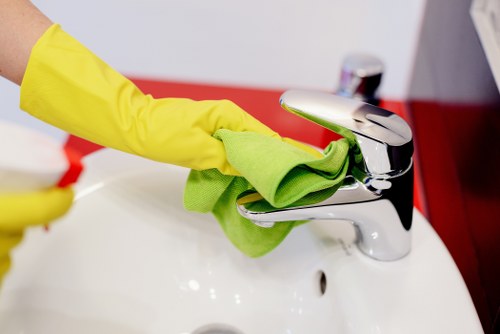 This health and safety policy sets out the standards expected from Cleaners Croydon in order to protect staff, clients, visitors, and anyone affected by our cleaning activities. The purpose of this policy is to maintain a safe working environment, reduce the risk of injury or illness, and ensure that all cleaning work is carried out responsibly. We recognise that professional cleaning involves exposure to chemicals, equipment, wet floors, lifting tasks, and other hazards, so careful control measures are essential.
Our commitment is to provide a workplace where health and safety are considered part of everyday practice. All cleaning operatives, supervisors, and managers must take reasonable care for their own safety and the safety of others. This includes following safe systems of work, using equipment correctly, and reporting anything that could create a risk. A strong cleaners Croydon health and safety approach depends on consistency, awareness, and prompt action when problems arise.
 Risk assessment is central to this policy. Before work begins, hazards should be identified and evaluated so that appropriate control measures can be put in place. Examples include slippery surfaces, the handling of cleaning chemicals, electrical equipment, and tasks involving repetitive movements or awkward postures. By carrying out careful assessments, the team can reduce the likelihood of accidents and protect the quality of service.
Training and supervision are essential elements of safe cleaning operations. Every worker should receive instruction on safe product use, correct handling methods, personal protective equipment, and emergency procedures. Supervisors must ensure that procedures are understood and followed. New staff should be supported until they can perform tasks safely and confidently. Refresher training should be provided whenever equipment, products, or working methods change.
Cleaning products must be stored, labelled, and used in accordance with manufacturer instructions and workplace procedures. Chemicals should never be mixed unless specifically authorised, as this can create dangerous reactions or harmful fumes. Where possible, safer alternatives should be selected to reduce exposure. Cleaners in Croydon should also understand the importance of ventilation, dilution ratios, and safe disposal methods for waste materials.
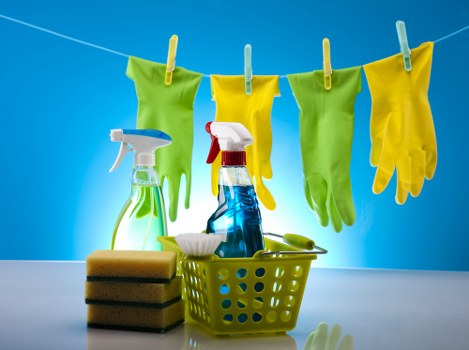 Personal protective equipment, or PPE, should be supplied where risks cannot be eliminated by other means. Gloves, eye protection, masks, aprons, and suitable footwear may be required depending on the task. PPE must be maintained in good condition, worn correctly, and replaced when damaged. It is important that each member of staff understands that PPE is only one part of a wider safety system, not a substitute for proper control measures.
Equipment safety is another priority. Vacuum cleaners, floor machines, pressure systems, and other electrical devices must be inspected regularly and used only by trained personnel. Cables should be managed carefully to avoid trips, and faulty equipment must be removed from service immediately. Cleaning teams in Croydon should check that tools are suitable for the task and kept clean, secure, and in working order. Safe isolation procedures should be followed during maintenance or when equipment becomes defective.
Manual handling risks should be reduced through planning, good posture, and team assistance where necessary. Heavy bins, water containers, and furniture can place strain on the back, shoulders, and arms. Staff should avoid unnecessary lifting and use mechanical aids whenever available. Where loads are awkward or too heavy, work should be reorganised so that the risk is lower. The aim is to protect long-term wellbeing as well as prevent immediate injury.
Housekeeping standards contribute directly to safety. Work areas should be kept tidy, access routes clear, and spillages dealt with quickly. Warning signs should be used when floors are wet or when other temporary hazards are present. Waste should be removed regularly, and items should be stored so they do not block exits or create falling hazards. Good housekeeping supports a safer, more efficient service for all involved.
 In the event of an accident, incident, or near miss, the matter must be reported immediately and recorded according to company procedure. Prompt reporting helps identify patterns, prevent recurrence, and improve safety performance. First aid arrangements, emergency exits, fire procedures, and evacuation routes should always be known to staff before work begins. Managers must review incidents carefully and take action where improvements are needed.
Health surveillance may be required where work exposes employees to substances or activities that could affect wellbeing over time. Skin irritation, respiratory issues, and musculoskeletal strain are examples of conditions that may develop if risks are not properly controlled. Cleaners Croydon health and safety policy therefore includes regular monitoring, sensible work scheduling, and open communication so that concerns can be addressed early.
 This policy will be reviewed periodically to make sure it remains effective, relevant, and aligned with current workplace practices. Updates may be made following incidents, changes in equipment, or the introduction of new materials and procedures. Everyone involved in our cleaning operations is expected to support a culture of safety, professionalism, and accountability. By following this policy, Cleaners Croydon can deliver reliable cleaning services while protecting people, property, and wellbeing.